


By artiltd-panel on Aug 23, 2023, 1:30:00 AM
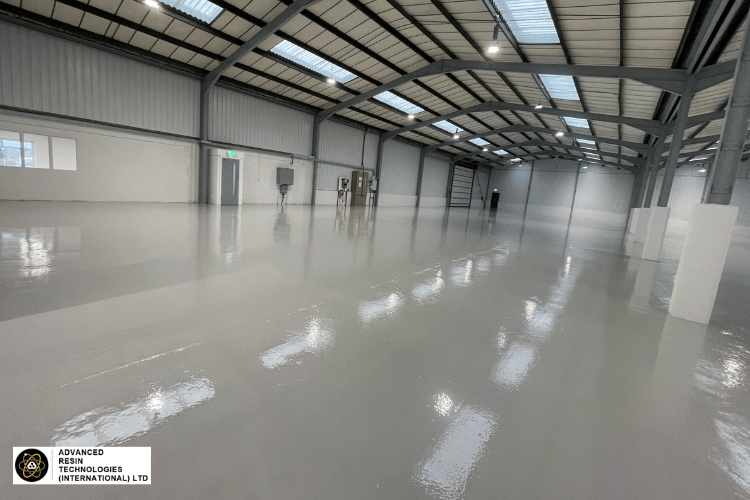
From epoxy’s strength to polyurethane’s charm to methyl methacrylate’s swift alarm, resin flooring offers businesses a symphony of choice when it comes to a hard-wearing commercial flooring system. In this article, we will wax poetic about the three main types of resin flooring, and how their unique characteristics make each of them an ideal performer on various stages.

1. The Vibrant World Of Methyl Methacrylate (MMA):
Easy To Install | Highly Customisable | Extremely Durable
Methyl methacrylate (MMA) flooring is a popular and reliable flooring solution used in many industrial and commercial settings. Its strength and durability make it a go-to choice for high-traffic areas, and its fast-curing time means that facilities can get back to business faster than with many traditional flooring systems, or indeed, with epoxy resin. What’s more, its seamless surface facilitates effortless cleaning and maintenance, and MMA is naturally resistant to a wide range of chemicals, as well as impacts and abrasions.
The drawback of MMA is its price point, being more expensive than its counterparts in the symphony, and it often emits a strong odour during installation, which renders it unsuitable for some sensitive environments. Despite this, the charm of MMA flooring is undeniable, and it continues to be a reliable and effective choice for commercial applications in which hygiene, durability, and safety are of the utmost importance.
2. Polyurethane (PU) Takes The Stage:
Heat Resistant | Highly Durable | Almost Impervious To Damage
Polyurethane flooring is a show stealer in terms of commercial flooring systems and is widely used in environments from laboratories and factories to hospitals and warehouses, owing to its near-legendary resistance to abrasions, impacts, and chemicals. PU flooring is also highly resilient, making it perfect for areas experiencing high foot and vehicle traffic. If you are looking for the toughest and highest-performance resin flooring solution that money can buy, then PU is the obvious choice. However, many businesses don’t need the level of performance and durability delivered by PU and may be able to make do with a lower cost – but no less endearing – option: epoxy resin flooring.
3. Epoxy Gleams, A Sturdy Might:
Versatile | Reliable | Easy To Clean And Maintain
Of the three performers in our symphony of choice, epoxy is possibly the most versatile and agile flooring system. Formulated from a mix of resin and hardener, epoxy flooring systems deliver a strong and reliable base for a wide range of commercial applications, protecting against oil and liquid spills, chemicals, impact damage, and electrical discharge. Once installed and fully cured – which takes the longest out of the three systems we have examined in this article – epoxy flooring exhibits impressive long-term resistance to wear and tear and is very easy to keep clean to a high standard.
However, a major disadvantage of epoxy resin flooring is that it can be extremely slippery when wet and will need additional anti-slip additives to reduce the slip hazard in spill-prone or high-traffic areas. Overall, however, epoxy flooring is an appealing investment for any commercial or industrial operator looking for a long-lasting and practical flooring solution at a cost-effective price and lends itself well to almost any size and layout of building.
A Palette Of Possibilities
Each type of resin flooring offers a ‘palette of possibilities’ to businesses looking to install a durable and high-performance commercial floor. We have spoken in jest here about the poetic qualities of each flooring system, but the serious point is that there really is no disadvantage to any option. All three systems are good, but some are better suited to some businesses than others, so to discuss your performance requirements, budget, and installation needs with one of our experienced team, please don’t hesitate to contact us today. (We promise we won’t sing to you.)

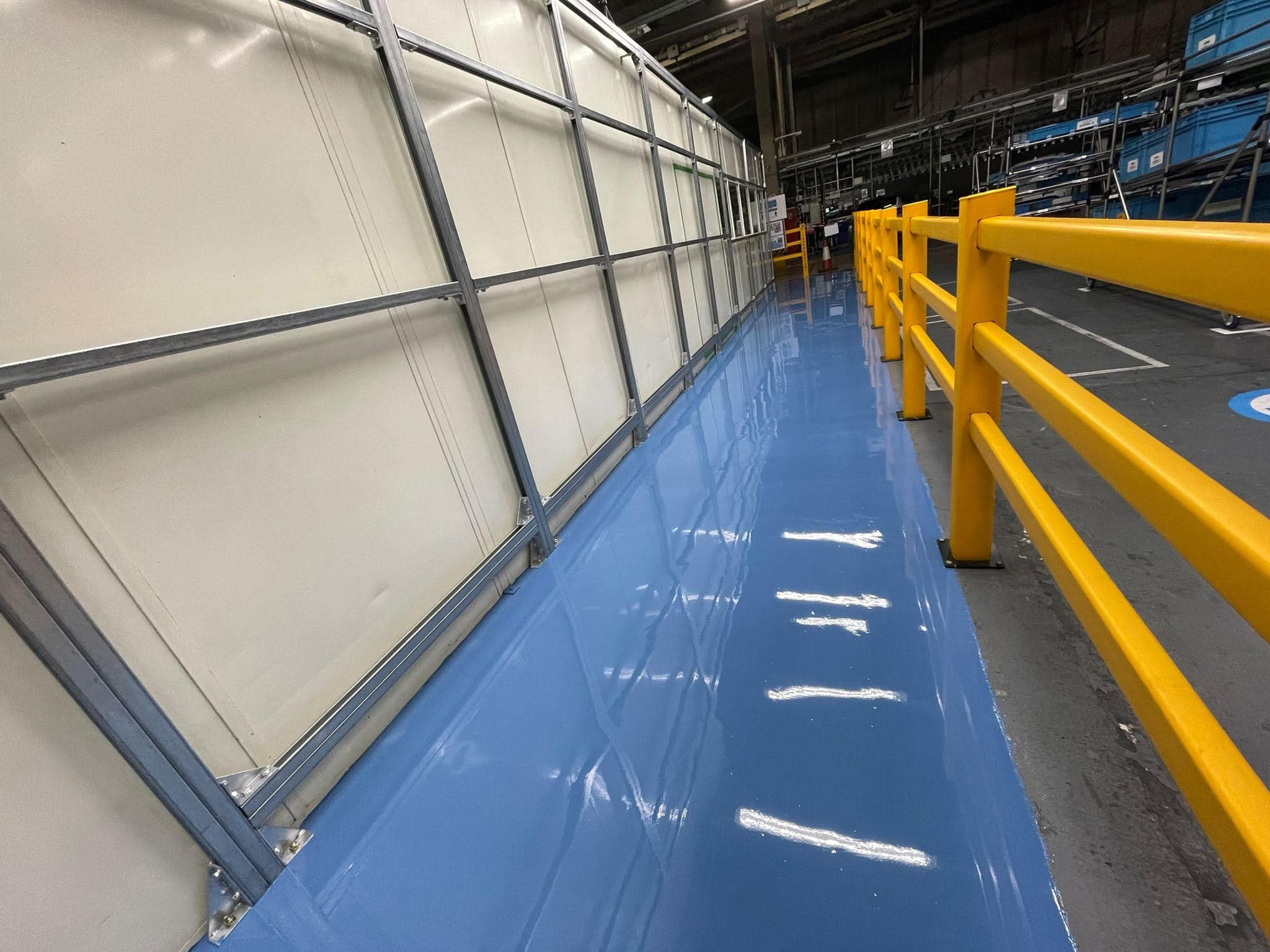
How To Choose The Right Type Of Resin Flooring For Your Business
Which Industries Benefit from Methyl-Methacrylate Flooring?
No Comments Yet
Let us know what you think