


By artiltd-panel on Jul 3, 2024, 11:30:00 AM
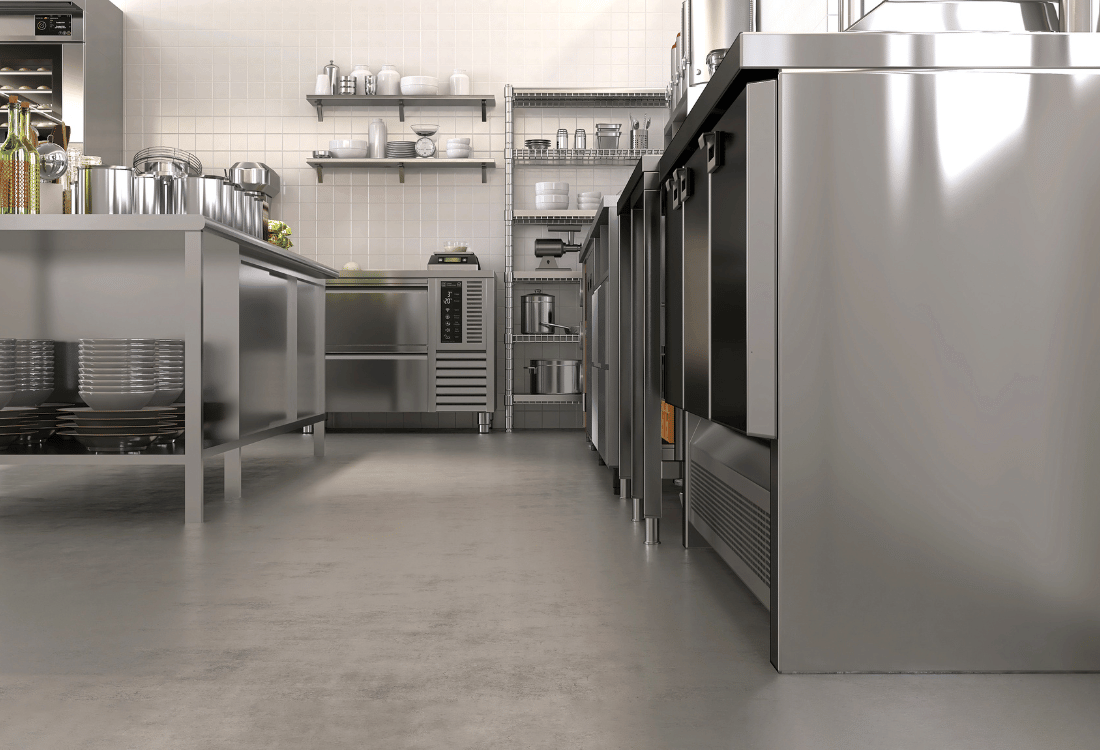
When investing in a flooring solution for your commercial kitchen, the choice often narrows down to two options: resin or vinyl flooring. Both materials are popular in commercial kitchens and have their advantages, but key differences between the materials can impact the hygiene rating, compliance, and long-term value of your investment.
In this article, we’ll look at the pros and cons of each to help you make an informed choice, while emphasising that a resin flooring solution is often the superior choice for many commercial kitchens.

Hygiene
Resin flooring systems have a seamless finish with no joints or grout in which bacteria can thrive, making them highly hygienic for commercial kitchens. This makes it easier to maintain high food safety standards and cleanliness. In contrast, vinyl flooring usually has seams and joints that can trap moisture, dirt, and bacteria, creating a potential health hazard.
Chemical Resistance
Resin floors have excellent chemical resistance, making them perfect for areas – such as commercial kitchens – where spills and splashes from cleaning products, acids, grease, oil, and cooking products are common. Resin floors are also resistant to stains from oils, fats, and spices, sustaining the pristine appearance of your flooring. Vinyl flooring, on the other hand, is not usually as resistant to chemicals and can stain easily if not adequately cleaned and maintained.
Durability
A well laid resin floor is highly durable, and can withstand heavy foot traffic, wheeled trolleys and light vehicles, impacts from dropped objects, and high temperatures without cracking or chipping. This makes them a great long-term investment for busy commercial kitchens and processing areas. Vinyl flooring, while durable, does not have the same level of wear and tear resistance as a high-quality resin, and may need to be maintained and replaced more frequently. Vinyl flooring systems are also usually more susceptible to scratches, tears, and other damage from heavy objects, which can accumulate repair costs and lost productivity from downtime.
Slip Resistance
Resin flooring systems can be notoriously slippery, which puts some businesses off when looking for a commercial kitchen floor, because of the presence of high humidity and liquid in the environment. However, a commercial-grade resin flooring can be treated to give it excellent slip resistance, with a textured surface that provides better traction to prevent slips and falls. At the same time, resin is extremely easy to clean, so that spills can be quickly mopped up to avoid hazards. Vinyl flooring also often requires additional anti-slip treatments to achieve similar slip resistance levels.
Installation
One of the possible drawbacks of resin flooring is the initial installation cost, which can be higher than vinyl and other types of flooring. A resin flooring system also requires specialised equipment and skilled contractors to install properly, which can increase downtime in your facility compared to vinyl flooring. However, the long-term benefits and value for money of a resin flooring system usually justify this inconvenience, and many commercial kitchens report a lower lifetime cost of ownership for resin compared to vinyl, tiles, or treated concrete.
Find Out More
To find out more about resin flooring and the benefits for your commercial kitchen, please get in touch with Advanced Resins today.

Image Source: Canva
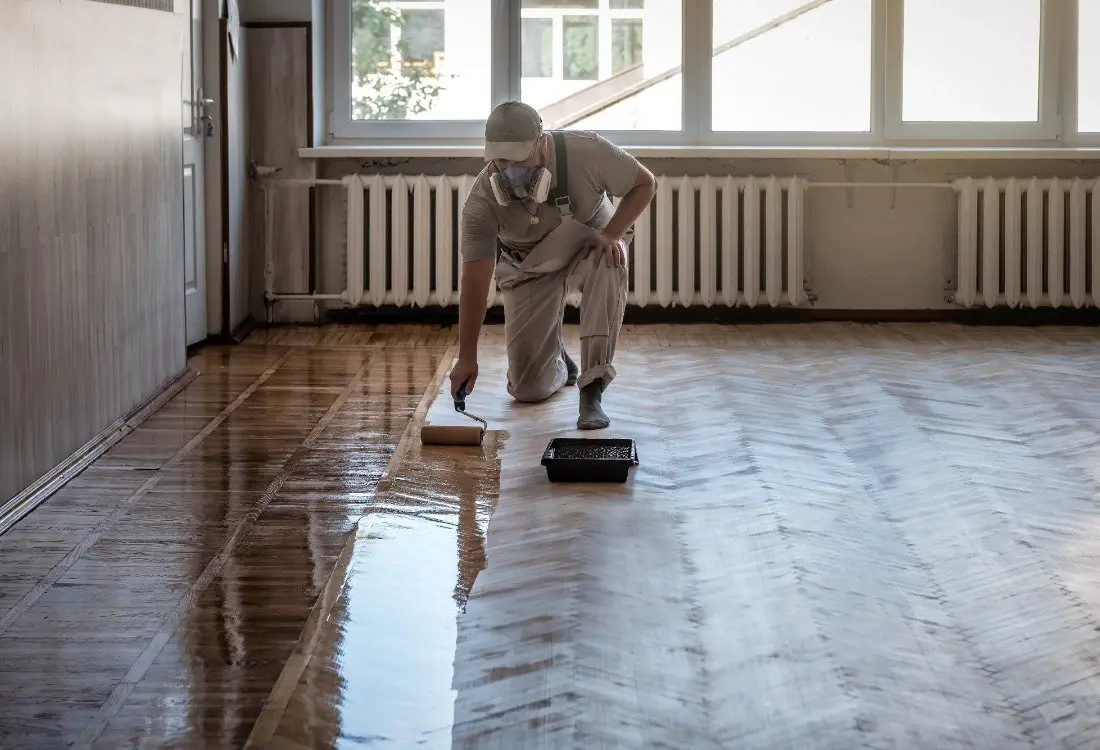
Can You Use Epoxy Resin On Wood Floors?
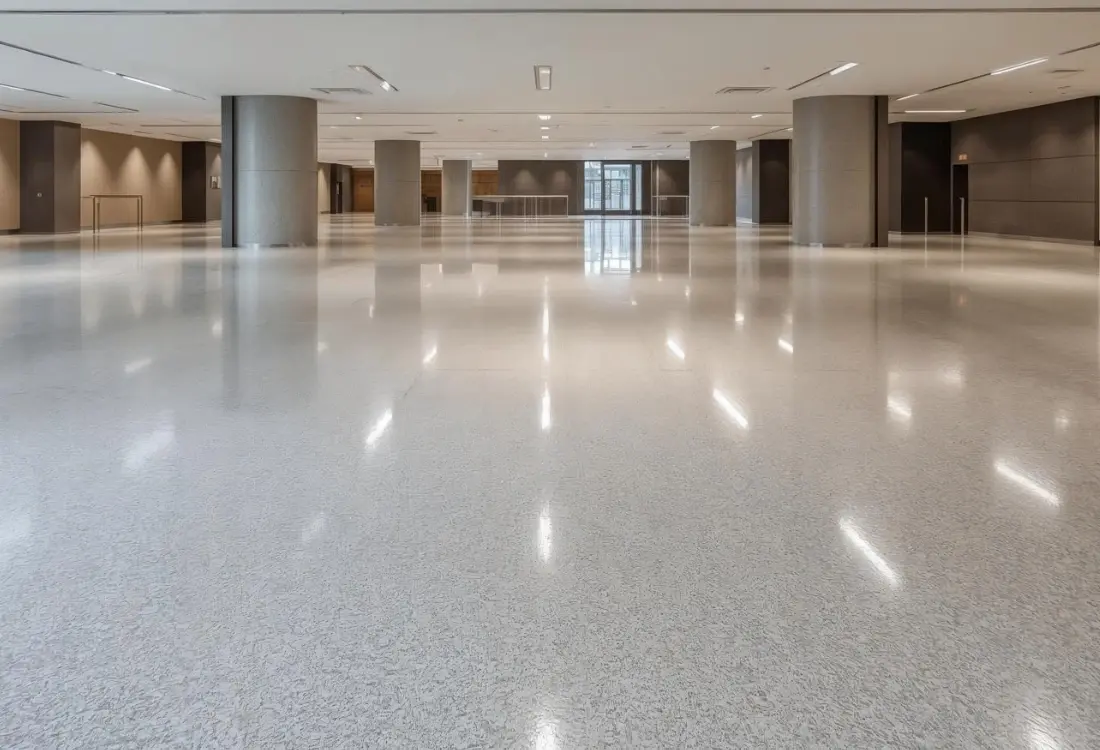
5 Common Flooring Problems Solved by Resin Systems
No Comments Yet
Let us know what you think