


By artiltd-panel on Mar 26, 2025, 10:00:00 AM
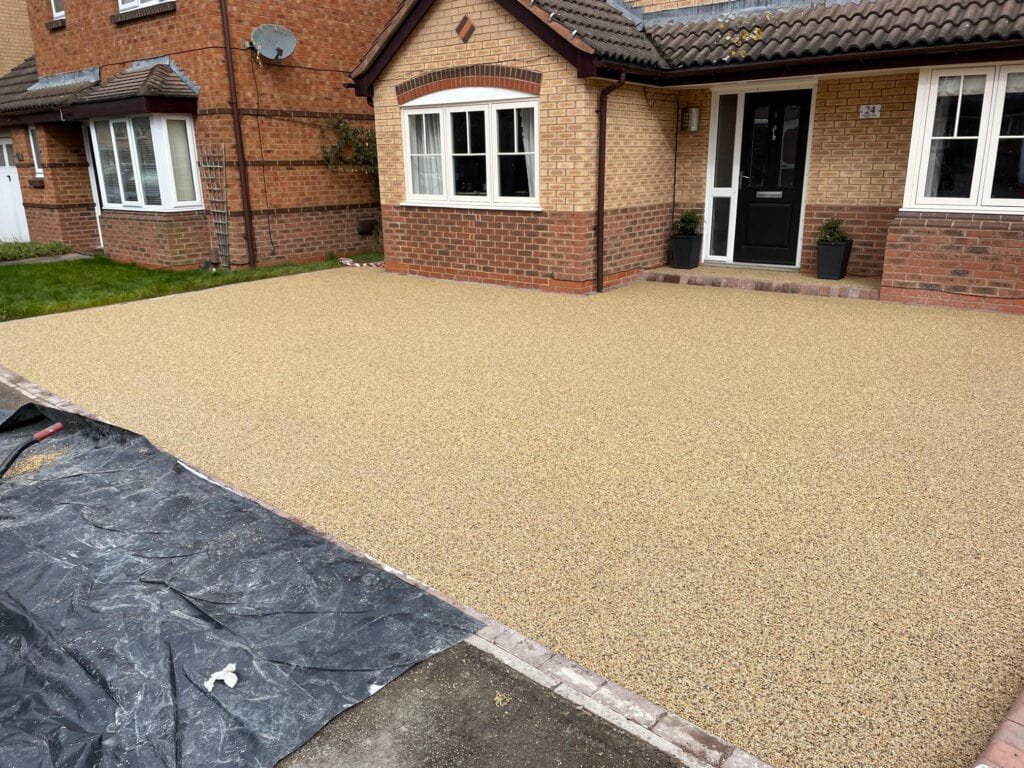
Choosing a material for a new driveway used to be a fairly straightforward choice. You could go for a gravel aggregate driveway, invest in a nice paved finish, or fall back on straightforward poured concrete. Nice and simple. Or is it? For a growing number of homeowners, resin driveways are becoming an attractive alternative due to their durability and stylish appearance, avoiding the downsides associated with many traditional driveways.

Within the resin driveway category are resin-bonded and resin-bound driveways. While they sound similar, the two solutions are quite distinct in terms of installation, performance, and maintenance. So, if you are tempted to upgrade your driveway to resin, here’s a breakdown of the differences to help you make an informed decision.
What Is A Resin-Bonded Driveway?
A resin-bonded driveway is created by applying an adhesive resin layer to the driveway surface and then scattering loose aggregates on top. The stones stick to the resin to create a textured, natural-looking finish. They are bonded to the resin but not bound by it.
- Appearance: If you want the look and feel of a traditional gravel driveway, a resin-bonded driveway could be a great choice. They mimic the look of gravel but stay firmly in place, without being displaced by water and wheels. It’s essentially a nonslip surface with a textured finish.
- Installation: installing your new driveway is relatively fast, involving pouring the resin on a concrete or asphalt base and topping it with your choice of aggregate.
- Durability: Resin-bonded driveways are far more durable than gravel driveways. However, the bonded surface does wear down over time as the stones loosen and chip away, especially in high-traffic driveways, so occasional maintenance may be needed.
- Permeability: Resin-bonded driveways are nonporous, meaning that water does not pass through. This means that drainage planning is important to prevent pooling or flooding.
What Is A Resin-Bound Driveway?
A resin-bound driveway might look superficially similar to a resin-bonded driveway as you approach it, but as you get closer, you’ll see the difference. A resin-bound driveway is created by thoroughly mixing resin with the aggregate before laying it onto the surface. This creates a smooth, even finish with the aggregates sealed or ‘bound’ within, almost like they are encased in glass.
- Appearance: Resin-bound driveways have a more uniform and smoother appearance than resin-bonded driveways that differ from traditional gravel. Many driveways have a ‘polished’ appearance, and they are also available in a variety of colours and finishes, allowing personalised and eye-catching designs.
- Installation: The installation process is more involved, as the resin must be mixed with the aggregate correctly before being laid and then levelled professionally.
- Durability: Resin-bound surfaces are extremely durable, with the gravel aggregates fully encapsulated within the resin. Your driveway will resist cracking, fading, and displacement of stones over time, making them perfect for heavy use.
- Permeability: Like all resin flooring systems, resin-bound driveways are naturally nonporous. However, your driveway can be designed with subtle drainage points that allow water to drain through more easily. This makes them a more sustainable option to prevent run-off and flooding.
Next Steps
At Advanced Resin, we provide a range of customisable, durable resin driveways for homes and businesses of all sizes. For a free quote or to discuss the benefits, please get in touch with one of our experienced team members today by calling 01332 417453, or send us a message by clicking here.

Can You Install A Resin Driveway In The Winter?
Does Your House Have Curb Appeal? Consider A Resin Bound Driveway
No Comments Yet
Let us know what you think