


By Advanced Resin on Aug 25, 2024, 12:31:00 PM
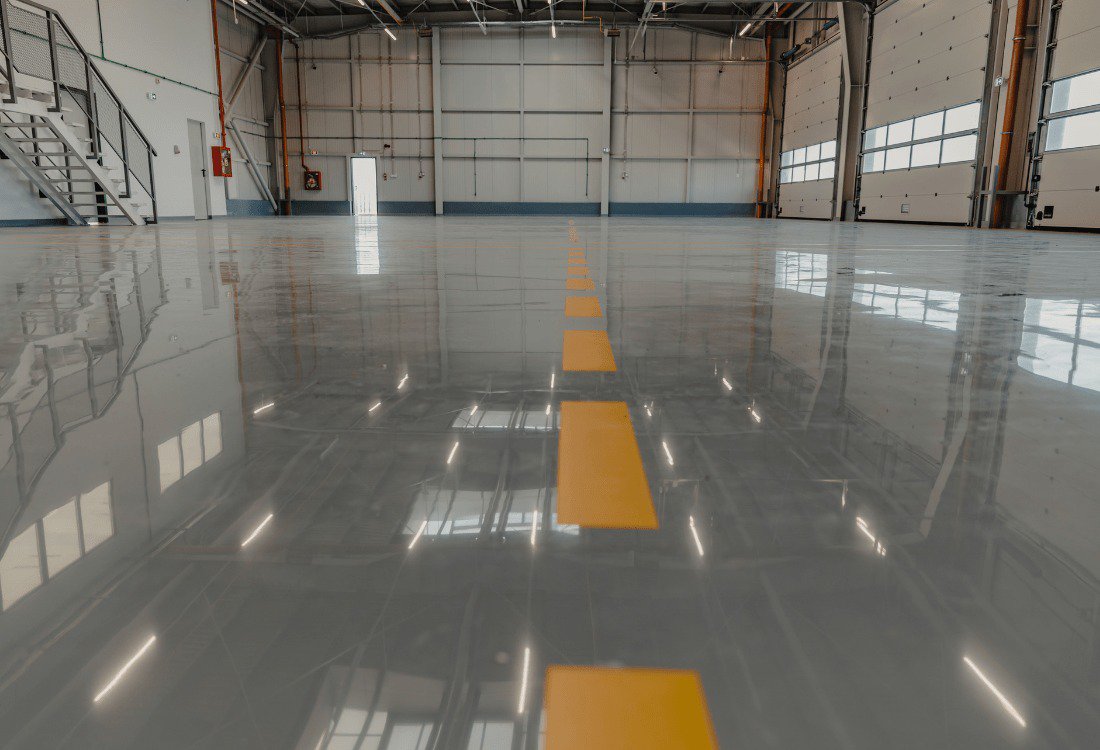
Hospital flooring needs to tick multiple boxes in terms of hygiene, health and safety, durability, and soundproofing. The two main choices are epoxy resin and polyurethane floors, but which is better?
Different Properties
While they are often confused for each other, polyurethane and epoxy are entirely different materials. They have different properties, different behaviours, and different qualities. However, many of their features overlap. For instance, both are known for their hygienic properties. This is because both form a non-porous seal, making them easy to clean while preventing almost all bacteria from entering the flooring. As such, either polyurethane or epoxy resin is suitable for medical or pharmaceutical environments.
The Main Benefits of Polyurethane Floors
Hygienic and easy to clean, polyurethane is also praised for its noise absorption properties. In the medical setting, where silence is a healing balm, this can be a very important consideration. This also complies with BS EN 16205, which relates to the allowable noise levels in laboratory settings. As well as being quiet, the softness and flexibility of polyurethane means it is also resistant to scratches. Consequently, it is an ideal material for surfaces that bend or move. An example of this is somewhere with high surface traffic, where stress may be put on the building itself. Staircases are one example, although a site survey can identify other areas that may benefit from flexible polyurethane flooring.
The Main Benefits Of Epoxy Flooring for Hospitals
Epoxy flooring for hospitals is known for its hardness and durability. However, it is its hygiene qualities that it is most widely praised for. Epoxy creates a completely seamless surface, which stops bacteria from entering the flooring, causing it to shoot to academic fame during the COVID-19 crisis. This hardness improves the speed and efficacy of the cleaning process, making it an attractive option for busy settings. Additionally, epoxy has high chemical resistance, meaning that it can be subject to very aggressive deep cleans if required.
Installation Considerations
Epoxy and polyurethane both require an average of two days to install. This can vary due to several factors. The first is the quality of the underflooring, which may need to be prepped before it can be coated. The second is the moisture conditions of the environment. Polyurethane has the edge on epoxy when time is at a premium, as epoxy drying times can be slowed by damp air. Your supplier will be able to give an accurate comparative estimate of installation times.
Resin vs Epoxy Gloors: The Verdict
Studies have tended to place epoxy slightly higher in the league table than polyurethane. This is due to the ease with which epoxy resin can be infused with anti-microbial agents that can impede bacterial growth, and due to its excellent performance during Covid-19. It’s important to note that the most recent research states that the holy grail of broad-spectrum anti-microbial hospital floor coating has not yet been discovered. As such, it is currently the quality of the application and the skill of your supplier that makes the real difference.
What Next?
If you are not sure about whether your hospital needs a polyurethane floor or an epoxy floor, the best advice is to talk to an expert. Contact us today to discuss your requirements.

What Is Polyurethane Flooring And What Are Its Benefits?
Which Industries Benefit from Methyl-Methacrylate Flooring?

No Comments Yet
Let us know what you think